



Water: The Driving Force of Life – Somalia
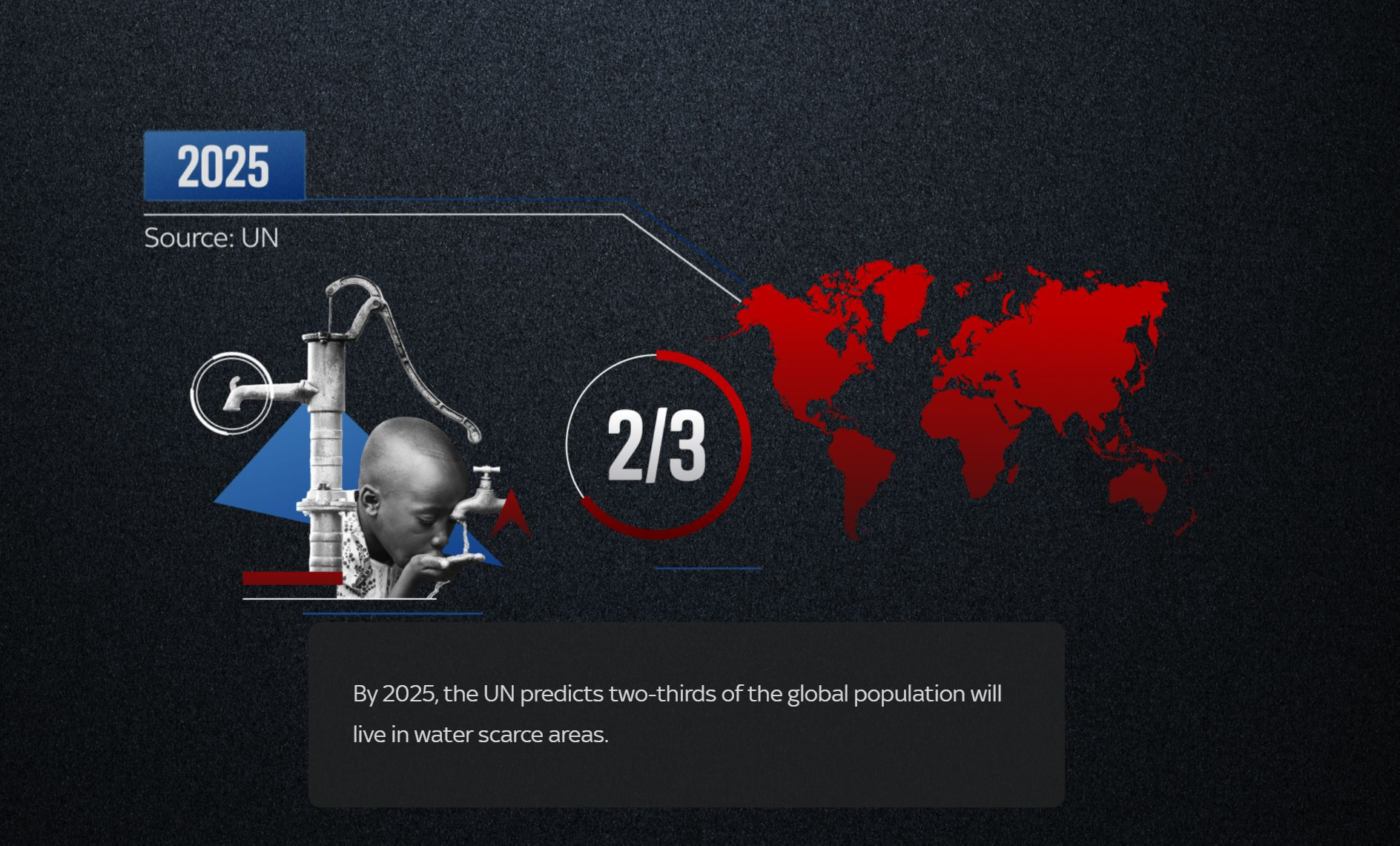
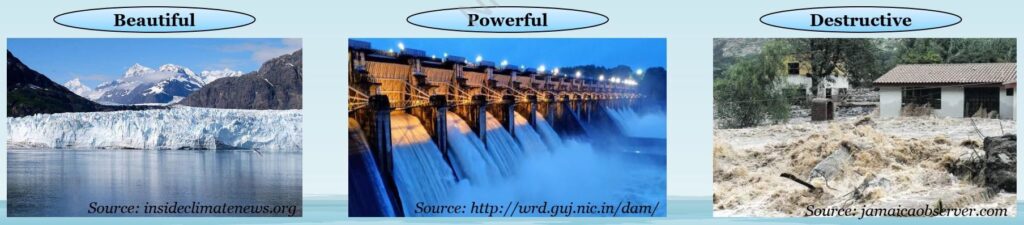
Water is the foundation of life. Every human being, animal, plant, and economic activity depends on it. Without water, crops cannot grow, livestock cannot survive, and communities cannot prosper. Yet, while scarcity of water leads to hunger and suffering, excessive water can also become a destructive force. This is the reality captured in the phrase: “Scarcity starves, excessive destroys.” In Somalia, especially in regions such as Beledweyne, this statement reflects everyday life. Communities experience repeated droughts and devastating floods, often within only a few years of each other.
Somalia is one of the countries most vulnerable to climate change and water insecurity. According to the United Nations and humanitarian agencies, millions of Somalis face water shortages during the dry season, while floods continue to displace thousands during the rainy season. The Shabelle River, which flows through Beledweyne, has overflowed many times, destroying homes, farms, roads, and businesses. At the same time, droughts frequently dry up wells and grazing lands, leaving families and livestock without water.
Water scarcity is one of the greatest challenges facing rural communities in Somalia. In many villages, people travel long distances to fetch water, especially during dry seasons. Women and children often spend hours searching for water instead of attending school or engaging in productive activities. Farmers lose crops because there is not enough water for irrigation, while pastoralists lose livestock due to a lack of drinking water and pasture. Hunger and poverty become widespread because water is directly connected to food production. Without rain or reliable water-storage systems, such as reservoirs, communities remain vulnerable every year.
When Water is everything!
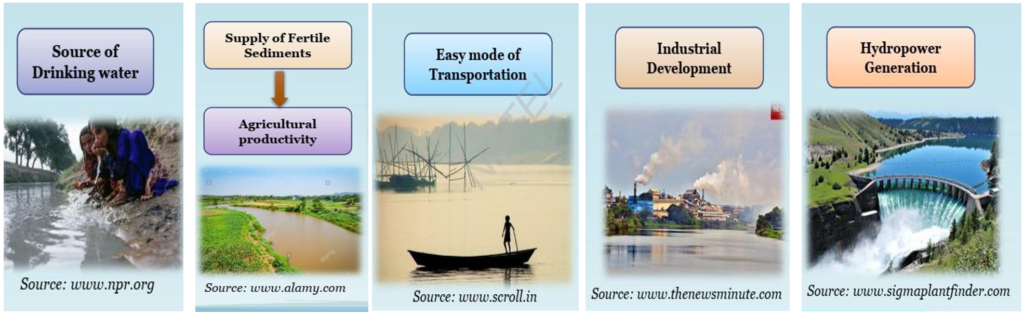
Water has also played a key role in the progress of human civilization from time immemorial. The Indus Valley Civilization (along the Indus), Ancient Egypt (along the Nile), Mesopotamia (along the Tigris and Euphrates rivers), and Chinese civilization (along the Yellow River) are some prominent examples of ancient river dependent civilizations on Earth.
When Water is a Blessing?
The importance of water on Earth can be understood by considering any of the aforementioned
ancient human civilizations. The contribution of water towards their development was manifold.
For example:
When Water is a Curse?
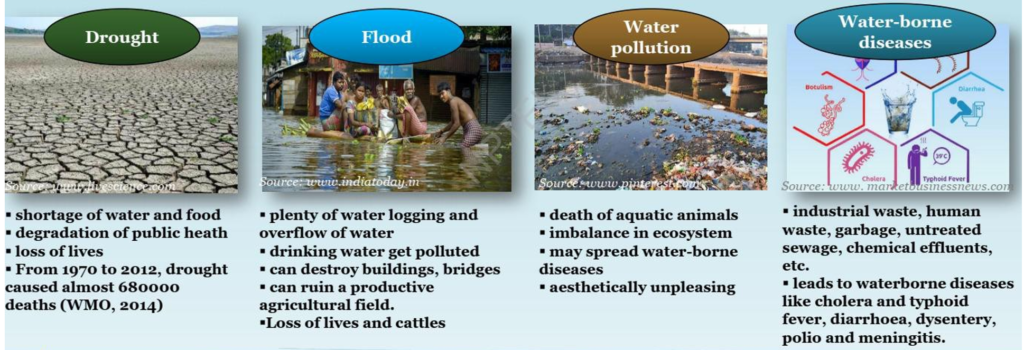
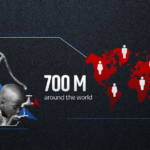
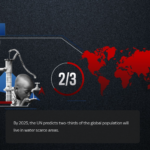
There are many water-related problems. Some of these problems are natural, such as floods and droughts, and others are direct consequences of human influence, such as water pollution, contaminated groundwater, and waterborne diseases.
Are there any human influences behind so-called natural problems, such as Floods and droughts?
This answer remains critical!.
Many so-called natural disasters such as floods and droughts are heavily influenced by human activities including deforestation, pollution, poor land management, and climate change. Although these events can occur naturally, human actions often increase their severity, frequency, and destructive impact on people, livelihoods, and the environment.
At the same time, excessive water can become deadly. Floods in Beledweyne have repeatedly caused destruction over the past decades. Heavy rainfall and rising river levels force families to leave their homes and seek shelter in safer areas. Floodwaters destroy farms, contaminate drinking water, spread diseases, and damage infrastructure. According to humanitarian reports, flooding in the Hiiraan region has displaced hundreds of thousands of people in different years, showing how dangerous unmanaged water can become.
This cycle of drought and flooding every three to four years demonstrates the urgent need for better water management in Somalia. Water should not only be viewed as a natural resource but as the driving force behind development, health, education, agriculture, and peace. Countries that manage water effectively can improve food security, economic growth, and public health. Somalia has the potential to benefit greatly from its rivers and seasonal rains if proper systems are established.
One important solution is to construct reservoirs, dams, and water storage systems in rural areas. During rainy seasons and floods, excess water could be collected and stored instead of being wasted or causing destruction. Stored water could then be used during drought periods for irrigation, livestock, and household needs. In addition, communities need stronger flood protection systems, such as river embankments and drainage channels, to reduce damage during heavy rain.
The youth of Somalia must also play a role in raising awareness about water conservation and environmental protection. Young people are the future leaders, engineers, educators, and policymakers who can create sustainable solutions. They should understand that water is not only essential for survival but also a responsibility that must be protected and managed wisely.
In conclusion, water is both a blessing and a challenge in Somalia. When it becomes scarce, people starve, livelihoods collapse, and poverty increases. When it becomes excessive, floods destroy homes, farms, and entire communities. The experience of Beledweyne clearly shows the importance of balancing water management through storage systems, planning, and community awareness. Truly, water is the driving force of everything, and Somalia’s future depends on how wisely this precious resource is managed.
References
- United Nations Office for the Coordination of Humanitarian Affairs (OCHA) Somalia Flood and Drought Reports.
- Food and Agriculture Organization (FAO) Water and Climate Challenges in Somalia.
- UNICEF Somalia – Water Scarcity and Rural Communities Reports.


A very informative article highlighting the serious impact of water scarcity and flooding on communities and livelihoods. Great awareness piece on the importance of sustainable water management.
Abdirashid Abdirahman